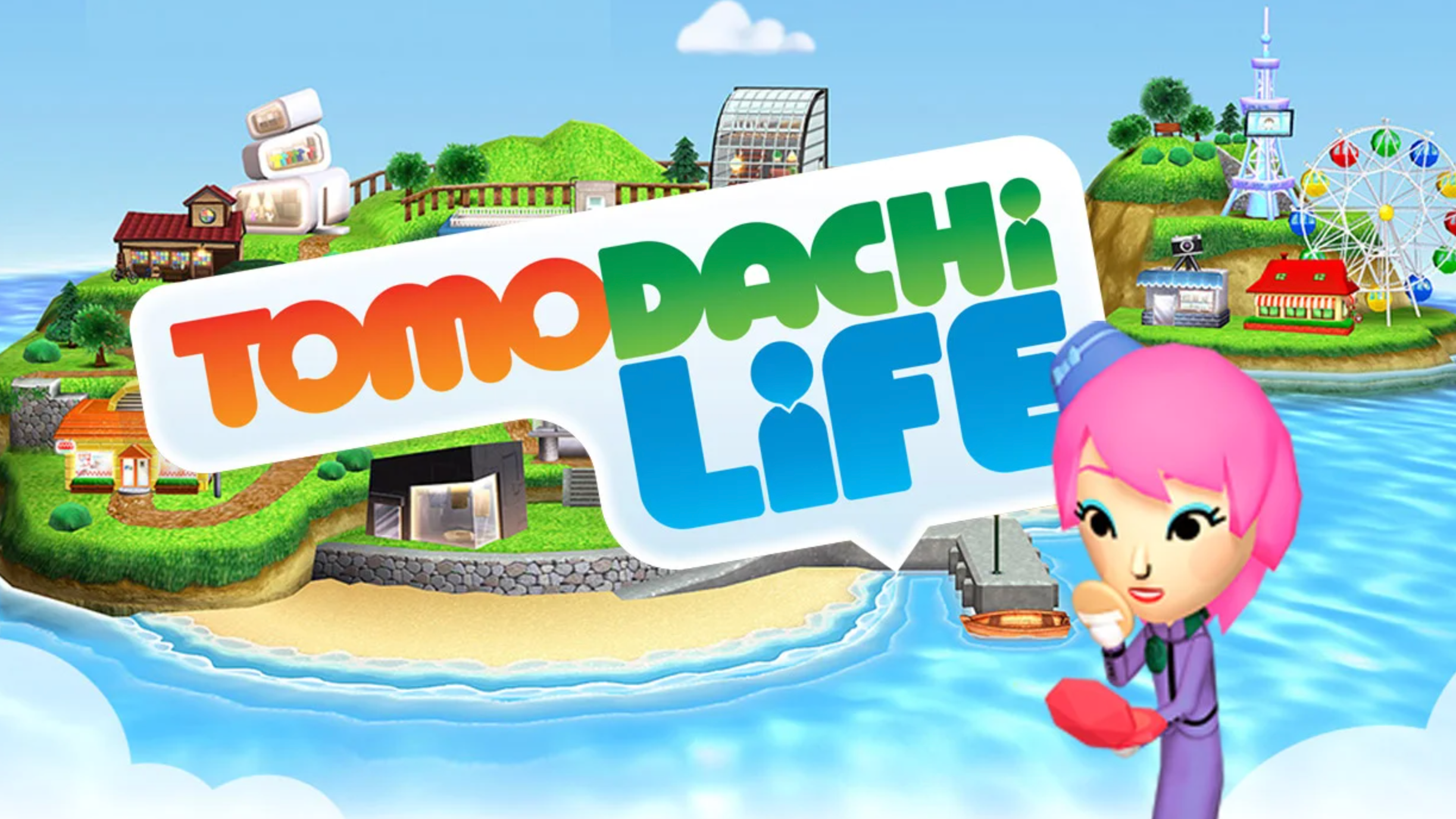
Nintendo has waited more than ten years to finish a promise it once stumbled over. With Tomodachi Life: Living the Dream now set for release on April 16, the quirky life sim returns not just with a new island and fresh systems, but with full same sex relationships and non binary options that reshape the heart of the game.
A decade old promise finally kept by Nintendo
When Tomodachi Life: Living the Dream was revealed during a dedicated Nintendo Direct, the biggest reaction was not about new features or platforms. It was about inclusion.
Back in 2013, the original Tomodachi Life on Nintendo 3DS faced heavy criticism after players discovered that Miis could only form opposite sex romantic relationships. Fans organized campaigns online asking for change. Nintendo responded at the time by saying the game was not meant to reflect real life relationships, a statement that quickly drew backlash.
Later that same year, Nintendo shifted its tone. The company apologized and admitted it could not change the 3DS version due to technical limits. It also made a public commitment to be more inclusive if the series ever returned.
This new release is Nintendo openly honoring that commitment. The change arrives more than a decade later, but it arrives fully formed.
How same sex and non binary options work in game
In Living the Dream, players now choose from three gender identities when creating a Mii: male, female, or non binary. Relationship preferences are selected separately, allowing attraction to any gender or none at all.
This structure means players can naturally create Miis who are gay, lesbian, bisexual, pansexual, asexual, or straight without restrictions or workarounds.
Nintendo did not lock these options behind advanced menus. They are presented during character creation, alongside familiar choices like facial features, body shape, personality traits, and the famously odd text to speech voices.
Once on the island, romance systems treat all relationships equally. Miis can fall in love, argue, form triangles, get married, and move in together regardless of gender pairing.
There is no separate rule set for same sex couples. The game treats them as normal island life.
Life on the island stays silly and strange
Despite the serious importance of its inclusion update, Tomodachi Life still looks unmistakably like Tomodachi Life.
Players do not control Miis directly. Instead, they act as a distant guide, feeding residents, giving gifts, solving disputes, and nudging friendships along. Relationships often form without player input, sometimes while the game is not even running.
The island News Channel keeps players informed of major events, from sudden crushes to full blown arguments.
Daily life still revolves around familiar locations:
-
The clothing store for outfits
-
The supermarket for food
-
The Renovation Centre for apartment decor
-
A market stall that sells everything from toys to animals
-
A photo studio for chaotic screenshots
Miis also make requests that affect the island itself, such as adding new outdoor items or expanding terrain.
Creative tools push the series further
Living the Dream expands creative options far beyond the original game.
Players can decorate outdoor spaces with fences, benches, houses, and landscape changes using the Island Design Centre. They can also directly influence Mii behavior by assigning quirks or placing them at points of interest around the island.
One example shown during the Direct featured a Mii joyfully flailing under a sprinkler.
The Studio Workshop returns with deeper tools. Players can:
-
Draw custom 2D pets
-
Design food items
-
Create clothing
-
Customize TV channels Miis watch
Shared housing is also expanded, allowing up to nine Miis to live together, opening the door for more complex and often messy social dynamics.
Romance remains central, including awkward misunderstandings, love triangles, breakups, and marriages.
The heart of the series remains its unpredictable social chaos.
Switch and Switch 2 release details confirmed
Nintendo confirmed that Tomodachi Life: Living the Dream launches on April 16 for both Nintendo Switch and Switch 2.
As of now, Nintendo has not detailed any Switch 2 exclusive features or technical upgrades. The company has only confirmed that the game will be available on both systems at launch.
This silence has not dampened enthusiasm. The announcement quickly gained traction across social platforms, especially among longtime fans who had waited years to see how Nintendo would address its past stance.
Why this matters beyond one game
Tomodachi Life occupies a strange space in Nintendo history. It is not a competitive game. It is not story driven. Yet it reflects player identity more directly than most of the company’s flagship titles.
By allowing players to define gender and attraction freely, Nintendo signals a broader shift in how it approaches representation. This is especially notable given how cautious the company has historically been in social matters.
For many players, this is not just a feature update. It is a moment of validation.
The decision also arrives at a time when life simulation games increasingly serve as personal spaces where players experiment with identity, relationships, and expression.
Nintendo waited years to act, but it acted decisively.
Tomodachi Life: Living the Dream does not frame inclusion as a headline feature. It simply builds it into everyday life on the island, where love, chaos, and silliness coexist without rules about who belongs.