NASA astronauts aboard the Artemis II mission ran into a familiar problem during their historic launch: Microsoft’s new Outlook app wasn’t working. The email glitch forced Mission Control to remotely access the crew’s computer mid-flight, adding an unexpected tech support moment to what was otherwise a flawless journey toward the moon.
Email Problems Follow Astronauts Into Space
Commander Reid Wiseman radioed Mission Control during the Artemis II launch with a request that would sound familiar to millions of frustrated office workers on Earth. The astronaut reported seeing two versions of Microsoft Outlook on his Surface Pro, and neither one would open properly.
The moment captured on live communications showcased how even NASA’s most advanced missions can’t escape everyday software bugs. Wiseman’s exact words were caught by viewers worldwide: “Yeah, go for it. And I also see that I have two Microsoft Outlooks, and neither of those work. If you want to remote in and check the Optimus and those two Outlooks, that would be awesome.”
Mission Control quickly confirmed they would handle the situation remotely. While the email hiccup didn’t threaten the mission’s safety, it brought unwanted attention to Microsoft’s struggling email client during one of the most watched space events in recent years.
The New Outlook Has Been Plagued With Complaints
Microsoft rolled out its redesigned Outlook app with high expectations, but users have consistently voiced disappointment since its release. The complaints paint a clear picture of an application that launched before it was truly ready.
Missing features top the list of grievances. Many tools that people relied on in the classic version simply don’t exist in the new client. Performance issues also plague users, with slow loading times and frequent crashes reported across different devices.
The backlash has been strong enough that many organizations have delayed switching to the new version. Some users have actively searched for ways to revert to the older, more stable Outlook client. Microsoft has pushed updates to address concerns, but public sentiment remains largely negative.
Artemis II Marks A Giant Leap For Human Space Exploration
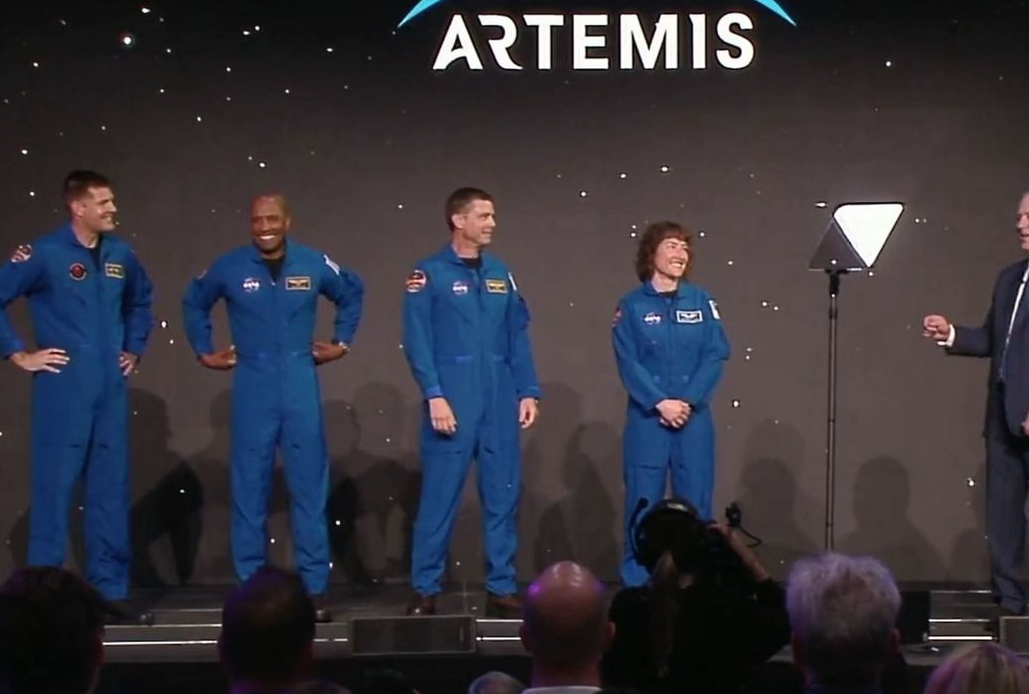
The Artemis II mission represents a crucial step in NASA’s plan to return humans to the moon and eventually reach Mars. This ten-day journey sends four astronauts farther from Earth than any person has traveled in over 50 years.
The crew won’t land on the moon during this mission. Instead, they will orbit around it and test critical systems needed for future lunar landings. If everything proceeds as planned, the astronauts will venture beyond the distance of any previous manned mission.
This flight serves as the essential bridge between unmanned tests and the planned Artemis III mission, which aims to land the first woman and first person of color on the lunar surface. The data gathered during these ten days will inform every decision made for subsequent missions.
People around the globe tuned in to watch the launch. The live feed captured not just the rocket’s powerful ascent, but also the genuine human moments, including the amusing tech support request that highlighted how some problems follow us no matter how far we travel.
Why The Outlook Glitch Matters Beyond The Laughs
The double Outlook problem aboard Artemis II raises legitimate questions about software reliability in critical environments. While email access isn’t essential for immediate flight operations, communication tools play important roles in mission success.
Astronauts use email to stay connected with ground teams, receive updated procedures, and maintain contact with their families during long missions. A malfunctioning email client creates unnecessary friction in an environment where every system should work flawlessly.
The incident also highlights a broader technology challenge. Even with extensive pre-flight testing and specialized hardware, consumer software can still cause headaches. NASA likely has backup communication methods, but the public nature of this failure put Microsoft in an awkward spotlight.
For everyday users struggling with the same Outlook issues, the moment offered validation. If NASA can’t get Microsoft’s email app to work properly in space, perhaps the problem truly lies with the software, not the user.
Microsoft Faces Growing Pressure To Fix Outlook
The space-based embarrassment adds to mounting pressure on Microsoft to address the new Outlook’s problems. Corporate users, individual subscribers, and now even astronauts have experienced frustrations with the revamped application.
Microsoft has options moving forward. The company could accelerate its bug-fix timeline, restore missing features more quickly, or even consider allowing users to stick with the classic version longer than planned. Customer feedback has been consistent and clear.
| Common Outlook Complaints | Impact Level |
|---|---|
| Missing features | High |
| Slow performance | High |
| Frequent crashes | Medium |
| Confusing interface | Medium |
| Sync problems | High |
The timing couldn’t be worse for Microsoft’s email team. With millions watching the Artemis II launch, the Outlook failure became an unintended advertisement for the app’s shortcomings. Social media quickly filled with jokes and memes about the incident.
Software companies often face the difficult balance between innovation and stability. Microsoft clearly wanted to modernize Outlook with new features and a fresh design. However, pushing out an update before it’s truly ready can damage user trust far more than delaying the release would have.
The Artemis II email mishap serves as a powerful reminder that technology, no matter how advanced, remains vulnerable to simple failures. As humanity reaches for the stars, we’re still figuring out how to make our everyday tools work reliably. The crew successfully continued their historic mission despite the email troubles, proving that human ingenuity can overcome software glitches even in the vastness of space. What do you think about Microsoft’s new Outlook causing problems even for NASA astronauts? Share your thoughts and experiences with friends on social media.