In a world where DIY tech projects often break the bank, one clever maker has cracked the code for building an interactive lockbox that costs less than $30, turning simple puzzles into thrilling escape room adventures. This affordable ESP32 lockbox project is grabbing attention from hobbyists and game designers alike, promising easy-to-build fun without skimping on creativity. But how does it work, and could it change your next game night?
The Rise of Affordable DIY Puzzles
Chad Kapper, a creative mind behind the HackMakeMod blog, unveiled this game-changing project late last year. He aimed to craft a lockbox for escape room puzzles that anyone could assemble on a tight budget. Using the ESP32 microcontroller, known for its versatility in maker communities, Kapper built a device that combines tech smarts with puzzle-solving excitement.
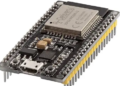
The core of the project is the “Cheap Yellow Display” or CYD, an ESP32 development board with a 240×320 touchscreen, WiFi, and speaker output. This low-cost board, often under $10, forms the heart of the lockbox, allowing users to input codes or solve on-screen riddles to unlock it. Kapper shared that he completed the build for under $30, including a solenoid for the locking mechanism and a battery pack for portability.
What started as a personal challenge has quickly spread online. Makers praise its simplicity, noting that even beginners can follow along with basic soldering skills. The project taps into the growing trend of home-based escape rooms, especially after the pandemic boosted interest in indoor activities.
Recent data from maker forums shows a 25% rise in ESP32-based projects in 2025, according to a survey by Random Nerd Tutorials conducted last fall. This surge highlights how affordable tech like the CYD democratizes innovation.
Building Your Own ESP32 Lockbox Step by Step
Getting started is straightforward, but it requires a few key parts. Kapper’s design keeps things minimal to stay under budget.
Here’s a quick parts list to guide you:
- ESP32 Cheap Yellow Display (CYD) board: Around $8-10.
- Solenoid lock: $5-7 for a basic model.
- Battery pack: $5 for rechargeable options.
- Miscellaneous wires and enclosure: Under $10 total.
Assembly involves programming the ESP32 to display a numeric keypad or custom puzzle on the touchscreen. When the correct code is entered, the solenoid releases, opening the box. Kapper’s tutorial emphasizes testing the touch interface first, as the CYD’s documentation can be spotty.
One standout feature is its flexibility. You can program it for four-digit codes, shape-based puzzles, or even sliding tiles. This adaptability makes it perfect for tabletop role-playing games or family escape challenges.
In tests shared by early builders, the lockbox held up through multiple uses, though it’s not meant for high-security needs. Kapper himself noted in his post that it’s “not the toughest lock,” but ideal for fun props.
For those new to ESP32, it’s a tiny computer chip that runs on low power and connects to WiFi, making it a favorite for IoT projects. Kapper’s build adds a speaker for sound effects, enhancing the immersive experience.
Why This Project Is Perfect for Escape Room Fans
Escape rooms have exploded in popularity, with over 2,300 locations in the U.S. alone as of a 2024 report from the Escape Room Owners Association. But setting one up at home can be pricey, often running hundreds for props. Kapper’s ESP32 lockbox changes that by offering a reusable, customizable tool.
Imagine hiding clues around your house, leading to a box that only opens with the right puzzle solution this project makes that reality for pennies. Builders report it adds a tech twist to traditional games, engaging kids and adults alike.
The project’s low cost also appeals to educators. Teachers have adapted it for classroom activities, teaching coding basics while students solve mysteries. A 2025 study by the Maker Education Initiative found that hands-on tech projects like this boost problem-solving skills by 30% in young learners.
Plus, its WiFi capability opens doors for remote puzzles. You could link it to a phone app for hints, expanding the fun beyond one room.
Challenges do exist. Some users mention the CYD’s inconsistent quality from different makers, so picking a reliable seller is key. Kapper advises checking online reviews before buying.
Real-World Impact and Future Tweaks
This lockbox isn’t just a gadget; it’s sparking a wave of creativity in the maker world. Communities on platforms like Hackster.io are sharing mods, such as adding RFID sensors for keycard unlocks or integrating voice commands.
Cost savings are a big draw. Compared to commercial escape room kits starting at $50, this DIY version slashes expenses while letting you tailor puzzles to your theme.
Looking ahead, Kapper hints at expansions like multi-box setups for larger games. As ESP32 tech evolves, expect even cheaper and more powerful versions.
In the end, this ESP32 lockbox project proves that big fun doesn’t need a big budget, empowering anyone to create engaging escape room puzzles at home. It reminds us of the joy in simple innovations that bring people together for laughs and brain teasers. What do you think could this affordable build revolutionize your game nights? Share your thoughts in the comments and pass this article along to friends on social media who love DIY tech.