In a stunning twist, disgraced Hollywood producer Harvey Weinstein is considering a guilty plea to settle an unresolved rape charge, potentially dodging yet another grueling trial in New York. This comes right after a judge shot down his attempt to toss out a key conviction, keeping the spotlight on a case that ignited the #MeToo firestorm. What does this mean for justice and the movement that changed everything?
Court Rejects Overturn Bid, Sets New Trial Date
A New York judge dealt a major blow to Harvey Weinstein on January 8, 2026, by refusing to overturn his conviction from last year’s trial. The ruling keeps Weinstein facing up to 25 years in prison for forcibly performing oral sex on a woman in 2006. This decision paves the way for more legal battles, but Weinstein’s team quickly floated the idea of a plea deal.
Judge Curtis Farber made the call after hearing arguments from Weinstein’s lawyers. They claimed jury bullying and infighting tainted the verdict. Despite that, Farber stood firm and scheduled a new trial for March 3, 2026, on the unresolved third-degree rape charge stemming from an alleged 2013 incident with aspiring actress Jessica Mann.
Prosecutors argue the jury process was handled properly, calling the complaints scattered and not enough to flip the outcome. Weinstein, who has spent nearly six years behind bars, described his time at Rikers Island as a “slow march to my death.” His words highlight the toll this saga has taken on the once-powerful mogul.
The unresolved charge carries a maximum of four years, far less than what he’s already served. Still, avoiding trial could bring some closure.
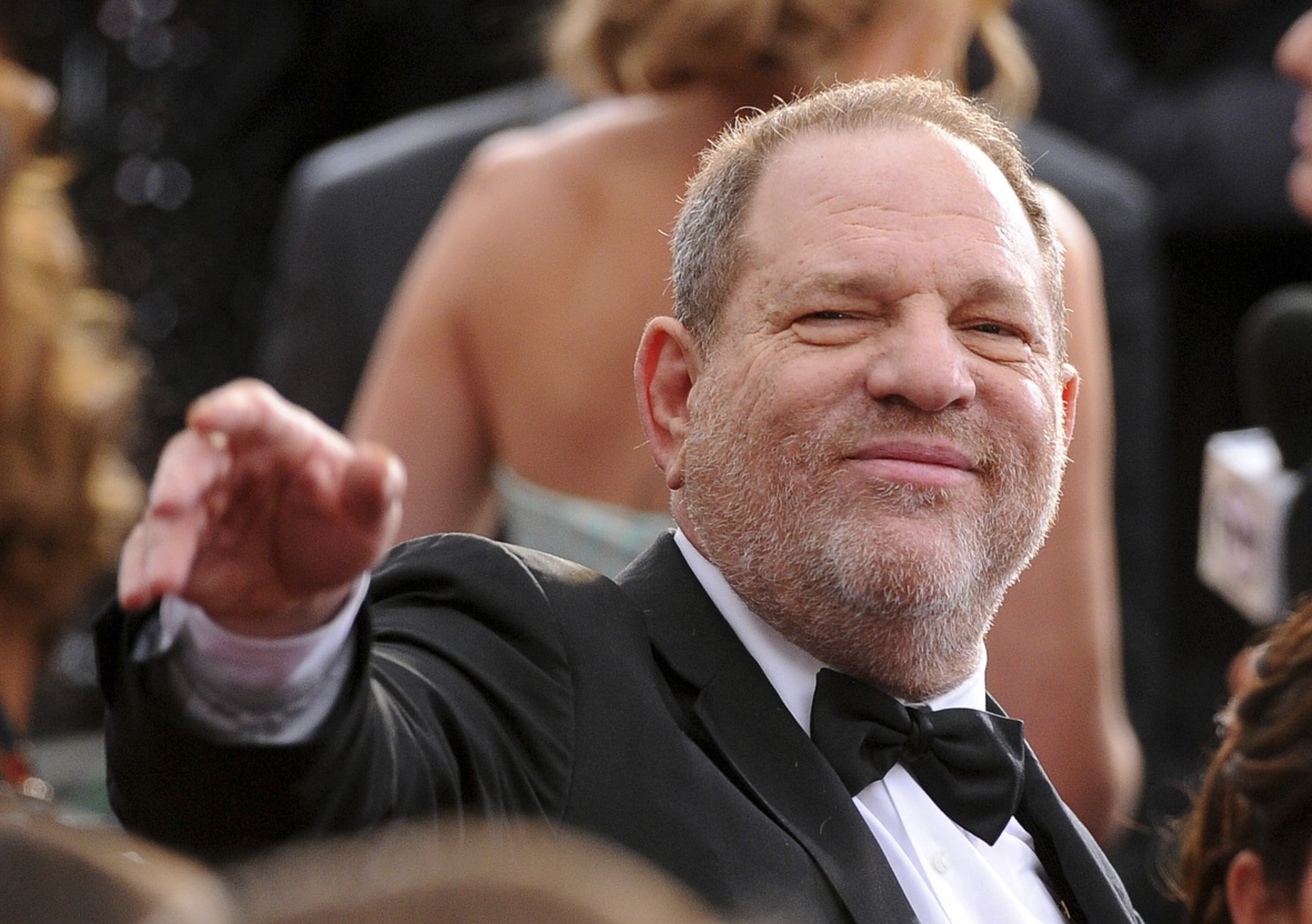
Weinstein’s Defiance Amid Plea Talks
Even as plea discussions heat up, Weinstein didn’t back down in court. “I know I was unfaithful, I know I acted wrongly, but I never assaulted anyone,” he told the judge boldly. This statement echoes his long-standing denials, despite accusations from over 80 women that fueled the #MeToo reckoning.
His lawyer, Arthur Aidala, pushed for negotiations right after the ruling. The group met privately, and Judge Farber later announced Weinstein needs time to weigh his options. This could end the New York chapter without more courtroom drama.
Weinstein’s team pointed to juror statements as proof of a flawed process. Two jurors said they felt pressured and even feared for their safety during deliberations. One described calling relatives out of worry, saying the atmosphere turned hostile.
Prosecutors counter that these were normal tensions in a high-stakes case, not grounds for reversal.
The Long Road of Accusations and Trials
This plea consideration caps a seven-year ordeal that started with explosive reports in 2017. Weinstein, the Oscar-winning force behind films like “Pulp Fiction,” faced a flood of sexual misconduct claims. These stories not only toppled his empire but also sparked a global movement against abuse in powerful circles.
His first New York conviction in 2020 was overturned in 2024 by an appeals court, citing unfair evidence. A retrial last year ended in a split: guilty on one count, acquittal on another, and mistrial on the rape charge. Meanwhile, a Los Angeles conviction for rape and sexual assault landed him 16 years, though he’s appealing that too.
Key moments in Weinstein’s legal timeline include:
- 2017: Initial allegations surface, leading to his ouster from The Weinstein Company.
- 2020: Convicted in New York, sentenced to 23 years (later overturned).
- 2022: Guilty verdict in California.
- 2025: New York retrial yields mixed results.
Data from the Rape, Abuse & Incest National Network (RAINN) shows that only about 310 out of every 1,000 sexual assaults are reported to police, based on their analysis of federal crime statistics from 2019. In high-profile cases like this, survivors often face intense scrutiny, which can deter others from coming forward.
Weinstein has always maintained any encounters were consensual, tied to Hollywood’s cutthroat world. His apologies for past behavior stopped short of admitting crimes.
Broader Impact on Survivors and Justice
The case has reshaped how society views power and accountability. For many, Weinstein’s downfall marked a turning point, encouraging victims to speak out. Yet, the back-and-forth verdicts raise questions about the system’s reliability.
Experts note that retrials can retraumatize accusers. Jessica Mann, the woman at the center of the unresolved charge, accused Weinstein of rape in a hotel room. Her testimony was pivotal, but the jury couldn’t agree.
If a plea happens, it might spare all sides more pain. But it could also leave some feeling justice was shortchanged.
| Key Charges Against Weinstein | Year | Outcome | Potential Sentence |
|---|---|---|---|
| Forcible oral sex (NY) | 2006 | Convicted (2025) | Up to 25 years |
| Rape (Jessica Mann, NY) | 2013 | Mistrial (2025) | Up to 4 years |
| Rape and assault (LA) | Various | Convicted (2022) | 16 years |
This table breaks down the main legal hurdles Weinstein faces, showing the complexity of his situation.
As this unfolds, it affects not just celebrities but everyday people dealing with similar issues. Movements like #MeToo have led to policy changes, with companies adopting stricter harassment rules. A 2023 study by the Society for Human Resource Management found that 76% of U.S. workplaces updated policies post-#MeToo, based on surveys of over 1,000 HR professionals.
In the end, Harvey Weinstein’s potential guilty plea signals a possible close to a chapter that exposed deep flaws in Hollywood and beyond. It reminds us how one man’s actions can spark widespread change, pushing for better protections against abuse. What do you think about this development? Does it bring real justice, or is it just a way out? Share your thoughts and pass this article along to friends on social media to keep the conversation going.