Payment processors are designed to treat businesses differently based on their risk profile. For instance, if a company is categorized as a high risk, it is required to pay more in transaction fees and still keep fraud and chargebacks in check. Even when they meet the strict demands to get merchant services, they still get monitored regularly.
Fortunately, businesses can use high-risk merchant accounts that provide specific payment services to high-risk companies. This minimizes risks and provides a viable payment gateway. Why are some companies considered riskier than others? Read on to discover more about high-risk processors.
What Defines a High-Risk Account?
Generally, this account is a service that is customized to meet the specific requirements of high-risk businesses. Financial institutions tend to avoid these risky businesses for various reasons.
For instance, a company will require a high risk merchant account if there is a greater chance of experiencing a chargeback, regulatory scrutiny, or fraud. Such businesses need additional security measures, which is why they have to pay higher transaction fees to manage these risks.
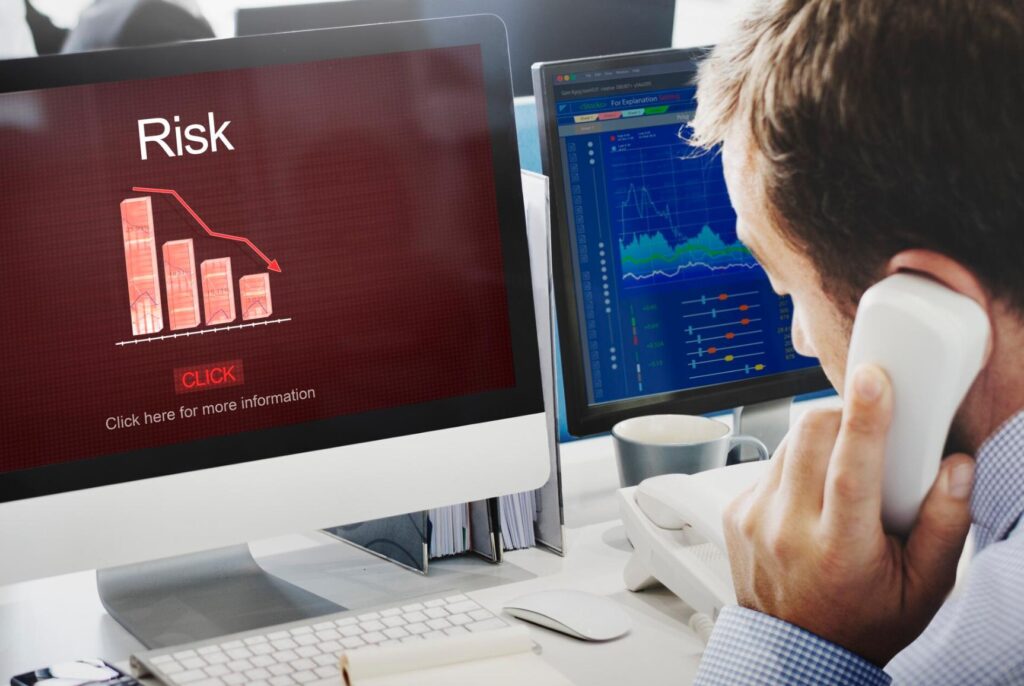
What Is the Difference Between High-risk and Low-risk Businesses?
A merchant can be placed in the high-risk category due to a number of factors. The payment processing firms consider factors like the business history, location, industry, payment method, and type of product to determine if a business is a low or high-risk one.
It is important to remember that when a business is labelled high risk, it doesn’t mean that it is unreliable. The analysis is a reflection of the financial risks involved in the payment process. This means that there is a high risk of the payment processing provider or the bank losing money. As such, these financial service providers have to seek financial protection by charging more.
A low-risk business has a minimal financial threat to the financial institutions that process the payments. In some cases, this can be broken down further into a chargeback ratio to help payment processors manage the risks.
Some of the common examples of high-risk businesses include adult entertainment, travel and tourism, ecommerce, online gambling, legal services, cryptocurrency, and so on. Even common names such a Netflix are in this category due to the risk of subscription issues and chargebacks.
Can Businesses Benefit From High-risk Accounts?
Basically, a high-risk account is meant to enable companies in more challenging industries to accept payments after they are rejected by the regular, low-risk processors. These merchant accounts have high transaction limits, so they can accommodate higher amounts and large transaction volumes at a time. This is suitable for companies with heavy sales activity or high-value items.
High-risk merchant accounts come with built-in fraud prevention and detection tools to protect each business from losses that occur due to deceitful activities. The accounts also have special chargeback prevention systems that reduce losses from transactions that are disputed.
These safety structures minimize the financial impact in case there is a chargeback. International transactions are high risks, but with a merchant account, companies can do business and cater to the global customer base.
There is no need to panic whenever a business is labeled high risk by a payment processor. With a high-risk merchant account, the company can still do business locally and across the globe. While the accounts come with unique challenges, the account offers flexibility and the tools needed to manage payments securely.